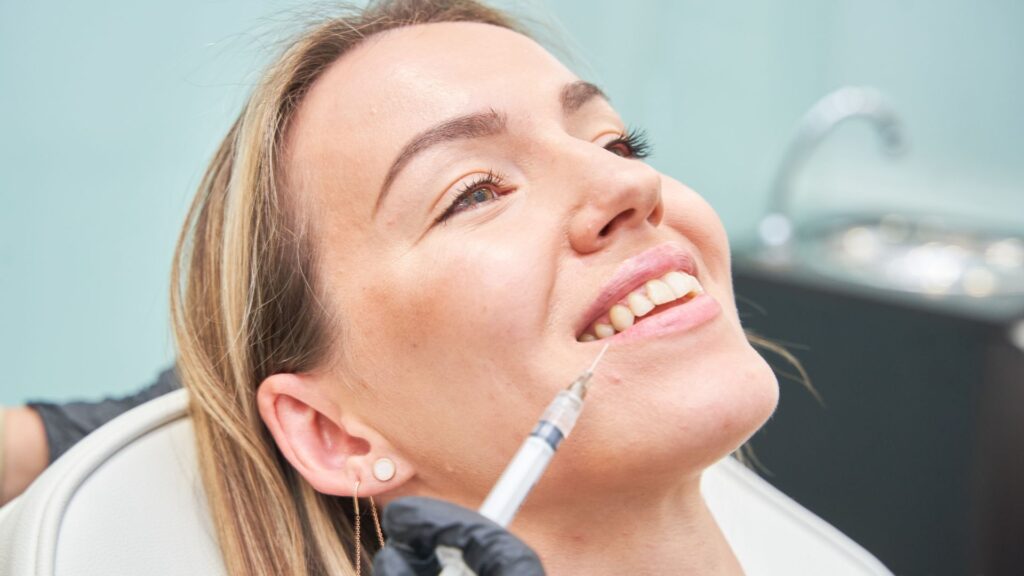

Dental Botox is no longer a niche offering; it’s quickly becoming part of modern dentistry. As patient expectations shift and the dental industry evolves, more dentists are discovering how Botox can support both therapeutic dental care and cosmetic treatment goals. From managing facial pain and teeth grinding to enhancing facial balance, dental Botox opens new possibilities for comprehensive, patient-centered care.
In this article, we’ll explore how Botox is being used in dentistry today, why dentists are uniquely qualified to provide these treatments, and what the science says about its effectiveness. Whether you’re curious about expanding your services or simply want to stay informed, this guide breaks it all down.
Here’s what you’ll learn:
Let’s take a closer look at why dental Botox is reshaping the future of dental care.
What Dental Botox Is and Why It’s Growing
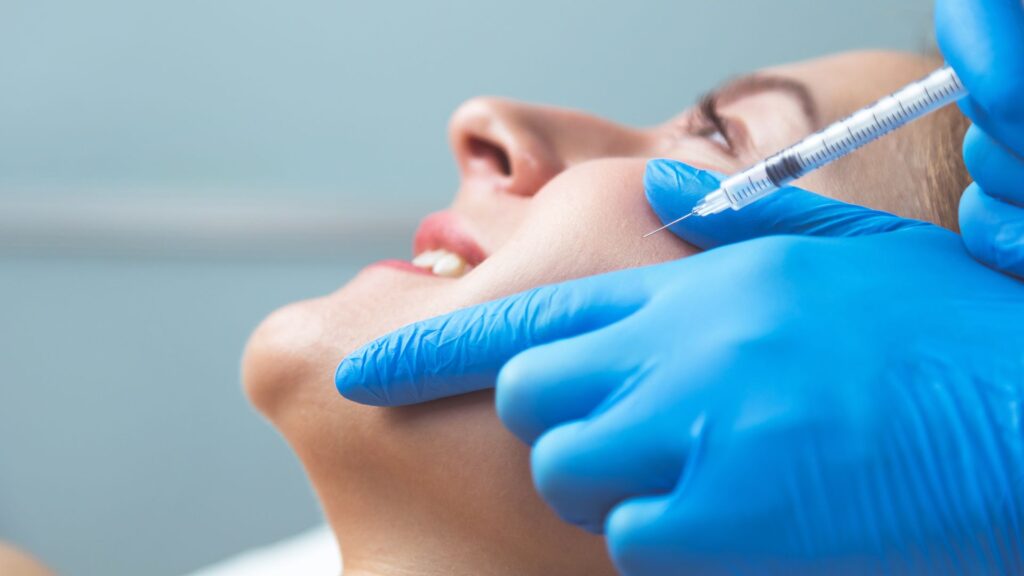
When people hear the name Botox, many think of facial wrinkles and cosmetic procedures. But the trade name Botox is actually a purified form of botulinum toxin that dentists and dental professionals can use for therapeutic dental needs, too. Botulinum toxin injections are increasingly used to manage functional dental conditions such as temporomandibular joint (TMJ) pain, masseter muscle hyperactivity, teeth grinding, and more because of the way Botox relaxes overly active facial muscles.
Here’s why this matters now:
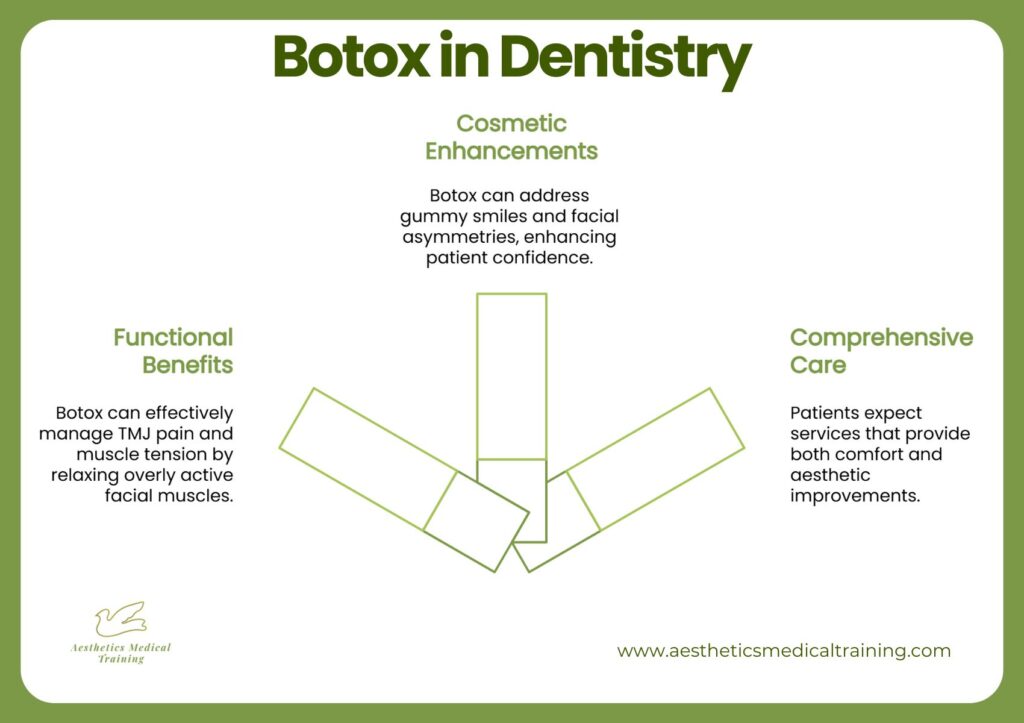
- Functional dental benefits – Botox can be used to relax tight muscles that contribute to jaw pain and muscle tension.
- Cosmetic enhancements – beyond TMJ and muscle pain, Botox helps patients with gummy smiles or asymmetries.
- Growing interest in comprehensive dental care – dental patients expect services that provide both comfort and confidence.
Botox in dentistry integrates well with the dental office’s existing expertise in head and neck anatomy. This makes dentists uniquely positioned to safely administer Botox injection treatments that address both functional and cosmetic needs.
Understanding How Dental Botox Works in the Jaw and Facial Muscles
To really understand the value of dental Botox, it helps to know how it works inside the jaw and facial muscles dentists work with every day. Botox is a purified form of botulinum toxin that temporarily blocks nerve signals to targeted muscles. When injected correctly, it helps overactive muscles relax without affecting surrounding areas.
In dentistry, Botox is most often used to address issues related to muscle tension and overuse. For example, patients who clench their jaw or grind their teeth often overwork muscles like the masseter and temporalis muscles. Over time, this can lead to:
- Jaw soreness and fatigue
- TMJ pain or TMJ disorder symptoms
- Facial pain and headaches
- Tooth wear and cracked restorations
- Increased tension during dental procedures
When Botox is used strategically, it can help reduce muscle activity that contributes to these dental problems. Botox relaxes the muscles just enough to relieve strain while still allowing normal function like chewing and speaking.
This muscle-based approach is especially valuable because many dental issues are not caused by the teeth alone, but by how the jaw and facial muscles behave. By addressing both structure and muscle function, dentists can offer a more comprehensive level of dental care.
It’s also why proper training matters so much. Understanding facial anatomy, injection depth, dosage, and muscle interaction allows dental professionals to use Botox safely and effectively. When done well, dental Botox can support better patient comfort, improved outcomes, and a more modern approach to treating common dental concerns.
What is Botox in dentistry?
Botox in dentistry refers to the use of botulinum toxin by a trained Botox dentist to support oral health and cosmetic dentistry.
Botox by Dentists: Benefits for Practices and Patients
When dentists administer Botox, both patients and practices can benefit in ways beyond traditional dental procedures. Here’s how:
For Patients
- Faster relief from muscle-related dental pain
- Reduced wear from teeth grinding
- Improved comfort during oral care and recovery
- Attractive cosmetic results without surgery
For Dental Practices
- Diversified services that appeal to broader patient needs
- Increased patient satisfaction and retention
- New revenue streams from Botox services
Botox doesn’t replace traditional dental care, but it adds value to existing treatments by addressing the muscular component of many common dental issues. For example, patients with chronic TMJ pain often try night guards and therapy without success. Botox offers an additional option that may provide relief when other treatments have plateaued.
Again, dentists are ideally suited for this because they have a better understanding of facial muscles and anatomy, such as the masseter muscle, than most providers. According to dental literature, the integration of botulinum toxin into daily dental treatment is becoming a significant tool for TMJ, bruxism, and other muscular conditions.
What does dental Botox do?
Dental Botox is used to treat muscle-related dental conditions. Botox can help reduce jaw tension, facial pain, and strain caused by teeth grinding. Botox provides both therapeutic and cosmetic benefits in the dental office.
Training Matters: Why Proper Botox Education Is Essential
The use of Botox in dentistry requires skill, knowledge, and confidence, especially because patients trust their dentist for both safety and outcomes. Administering Botox isn’t as simple as reading a page. It involves:
- Understanding facial anatomy and muscle function
- Selecting the correct dosages and injection sites
- Knowing how to manage unexpected outcomes or side effects
Studies show that although Botox’s dental applications are promising, rigorous training improves both safety and effectiveness.
Here’s what the best Botox training includes:
- Evidence-based scientific principles
- Hands-on practice with supervision
- Protocols for both therapeutic and cosmetic dental Botox treatment
- Guidance on how to counsel patients
This kind of education empowers dentists to expand their dental practice offerings while minimizing risks confidently. It also ensures compliance with board regulations and the scope of practice, which varies by region.
Is Dental Botox Treatment Right for Your Practice?
Not every dentist will adopt Botox services immediately, but it’s worth considering if you want to grow your dental practice in meaningful ways. Before integrating Botox:
- Review your state or board of dentistry guidelines
- Evaluate patient demand for both therapeutic and cosmetic Botox services
- Consider how Botox complements your approach to dental care
Dental professionals who are strategic about offering Botox often see benefits such as improved patient comfort, greater practice differentiation, and the ability to offer advanced dental care that goes beyond cavities and crowns.
Is it normal for a dentist to offer Botox?
Yes. Many dentists use Botox as part of general dentistry and cosmetic dentistry. Because dentistry includes facial anatomy expertise, Botox applications fit naturally into certain dental procedures.
Learn Dental Botox With Confidence at Aesthetics Medical Training
If you’re ready to offer Botox in your dental practice, proper training is key. Aesthetics Medical Training (AMT) provides a Botox course designed specifically for licensed healthcare professionals who want to confidently and safely administer Botox treatments.
Here’s what sets AMT apart:
- Comprehensive education in both cosmetic Botox and therapeutic applications
- Instruction from experienced educators in aesthetic and dental care
- Hands-on training that builds real-world confidence
- Focus on anatomy, patient safety, and best practices you can use immediately
With AMT’s training, you’ll be able to:
- Understand how to use Botox to help dental patients with TMJ discomfort and facial pain
- Offer cosmetic Botox services as part of comprehensive dental care
- Grow your dental practice with a high-demand treatment that many patients now expect
Whether you’re just curious or ready to integrate Botox therapy in dentistry, AMT is here to help you take the next step. Learn more about Botox training today and give your patients the innovative care they deserve.