
Thinking about a rewarding career in medical aesthetics? Medical estheticians combine advanced skincare services with medical treatments in clinical settings like medical spas and dermatology offices. Whether you want to help people improve their skin or explore medical procedures like chemical peels and skin rejuvenation, this guide will walk you through the steps of how to become a medical esthetician.
In this article, you’ll learn:
Let’s get started on your journey into the world of medical esthetics.
What Is a Medical Esthetician?
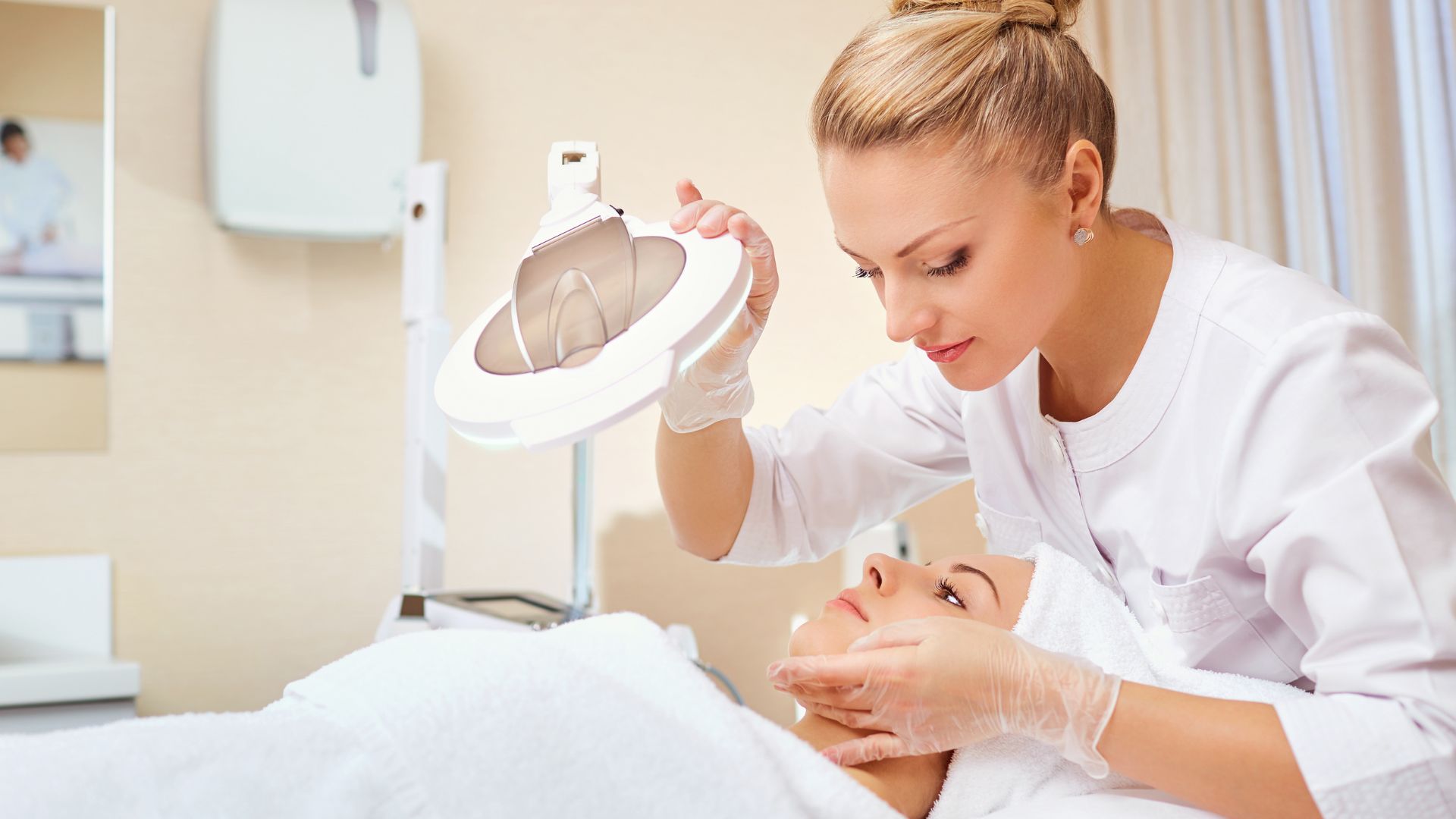
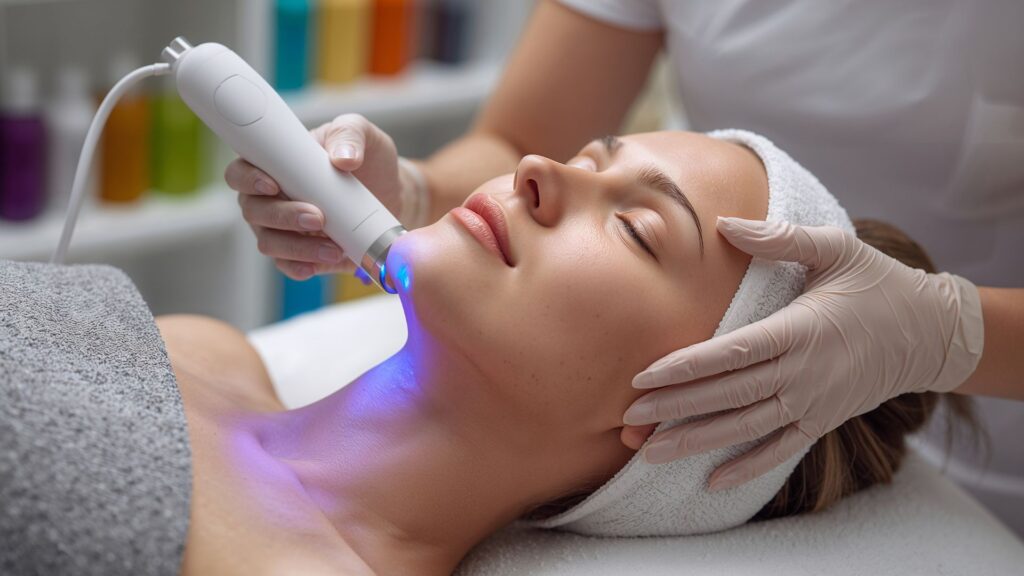
When people talk about becoming a medical esthetician, they’re referring to a professional who provides specialized skincare services in a clinical setting, often working alongside medical professionals such as dermatologists or plastic surgeons. Medical estheticians go beyond traditional esthetics practices in spas by performing treatments that require advanced knowledge of skin physiology and adjunct medical procedures.
Medical estheticians may:
- Provide advanced facials and skincare services
- Perform chemical peels and microdermabrasion
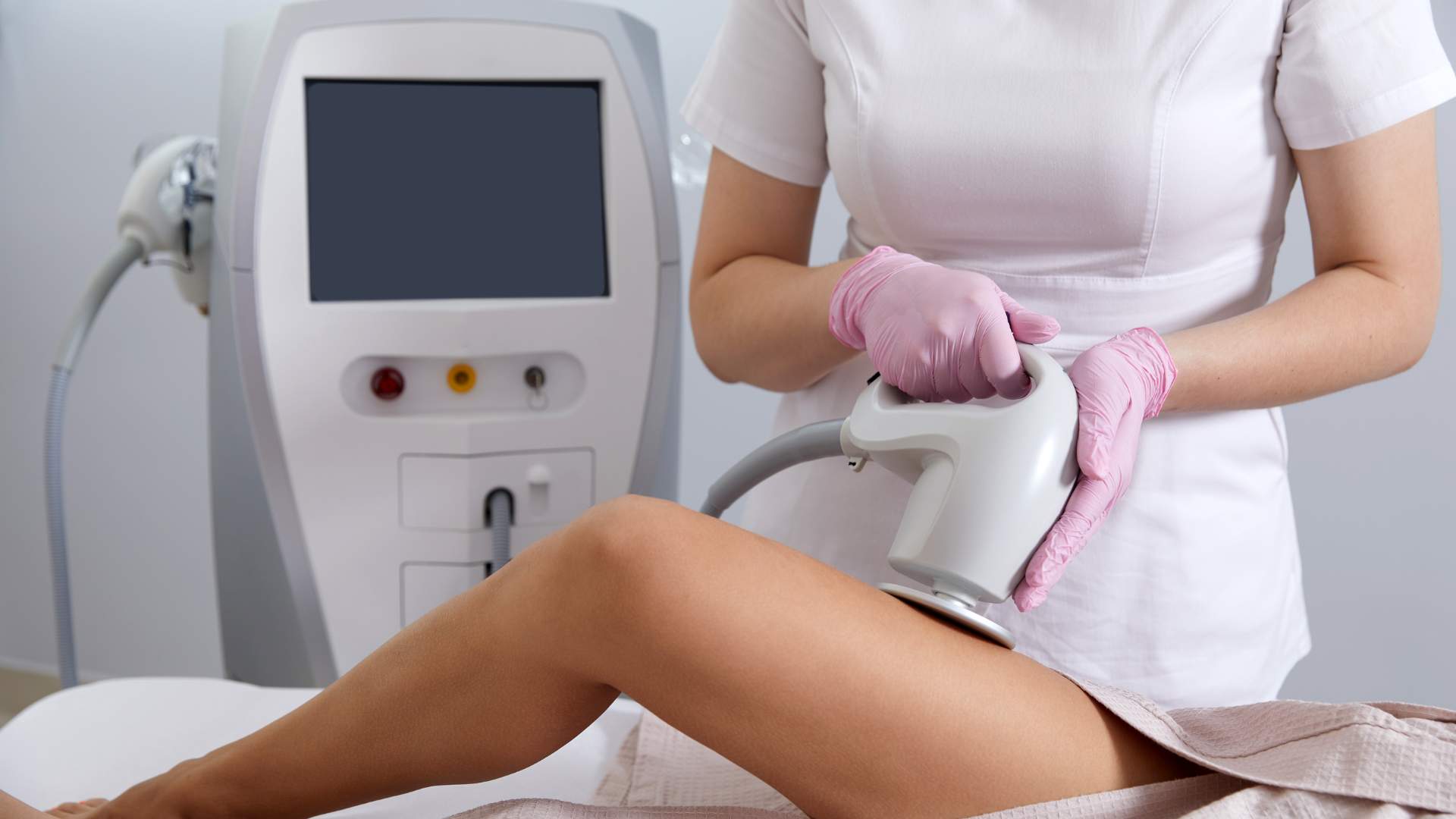
- Assist with laser hair removal and body contouring
- Support patient care in medical spas and dermatology clinics
Unlike typical spa estheticians, medical estheticians are trained to support medical treatments focused on more serious skin conditions and aesthetic goals. According to industry insights, medical estheticians often need more comprehensive specialized training than traditional estheticians, with programs sometimes exceeding 900 hours compared with 300–600 hours for basic esthetics education.
These pros often work in settings where hands-on training and knowledge of skincare science are essential, and they play a key role in helping clients achieve both health-focused and cosmetic outcomes.
What are typical medical esthetician wages?
Medical esthetician wages vary by location and experience. Medical aestheticians working in clinical practice or plastic surgery settings often earn more, especially with advanced training and hands-on experience from a medical aesthetician program.
What Do Medical Estheticians Do?
So what exactly does a medical esthetician do on a typical day? In contrast to an esthetician who might focus on routine facials at a beauty salon or day spa, medical estheticians work with medical-level skincare services and collaborate closely with licensed medical staff.
Common duties include:
- Evaluating skin conditions and developing treatment plans
- Performing advanced procedures like Botox treatments and dermal filler injections
- Providing laser hair removal and other light-based treatments
- Assisting with skin rejuvenation therapies and post-procedure care
- Supporting dermatologists during medical treatments
In medical settings such as medical spas, dermatology offices, and cosmetic surgery clinics, medical estheticians may also play a role in patient education and follow-up care. These professionals are often expected to bridge the gap between esthetics and medical science, helping patients achieve healthier skin while providing safe, effective cosmetic treatments.
The demand for skilled medical estheticians is growing as more people seek professional skincare solutions that combine medical insights with aesthetic goals. This trend is part of a broader growth in medical aesthetics nationwide, where consumers increasingly value expertise, safety, and measurable outcomes.
How Long Does It Take to Become a Medical Esthetician?
A major question for aspiring medical estheticians is “How long will it take?” The timeline depends on where you live and how in-depth your training is.
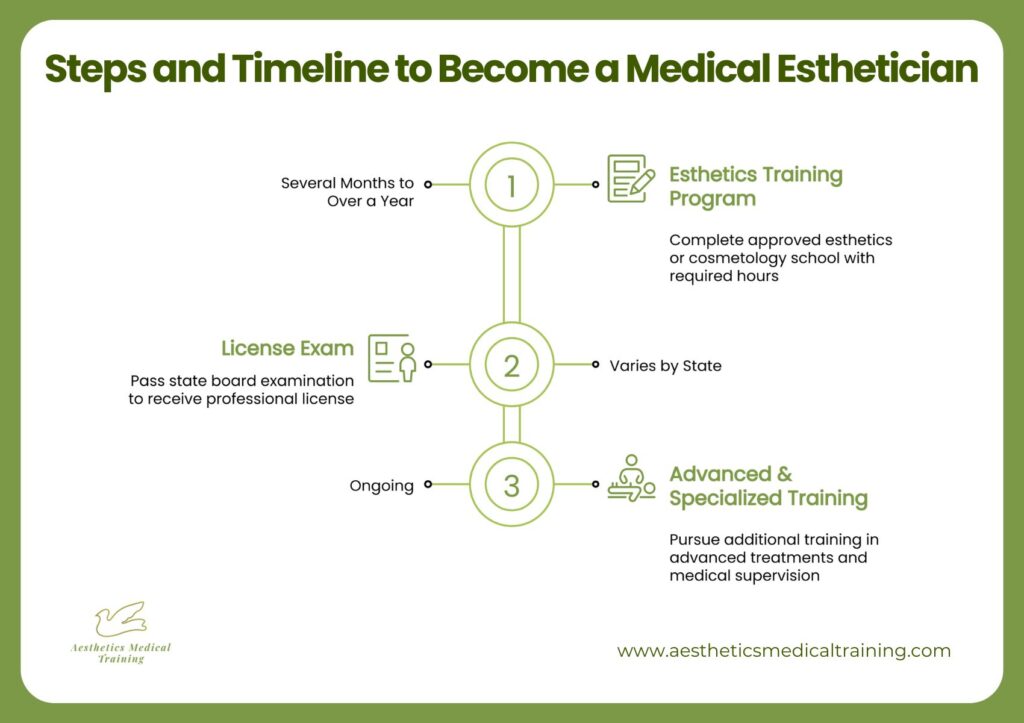
Typical Steps to Become a Medical Esthetician:
- Complete an esthetics training program: Most states require candidates to graduate from an approved esthetics or cosmetology school and complete a set number of hours in areas like skincare, sanitation, and hands-on techniques.
- Pass the esthetician license exam: Esthetician candidates must pass a state board examination to receive their professional license. Notes vary by state, but tests generally cover skin anatomy, safety, and practical techniques.
- Pursue advanced and specialized training: To work in medical settings, additional training in advanced treatments (chemical peels, lasers, body contouring) and working under medical supervision is common, especially for more clinical roles.
Most aspiring medical estheticians spend anywhere from several months to over a year completing foundational training, licensing requirements, and additional specialized instruction. If you choose to pursue a higher-level credential or advanced certification, that will add more training but also open doors to more advanced procedures and clinical roles.
State regulations differ widely, so it’s important to check your state’s esthetics board for specifics on required hours and licensure pathways.
How Much Do Medical Estheticians Make?
One of the most exciting parts of a career in medical esthetics is the earning potential, especially when you combine medical training with advanced treatments.
Here’s a snapshot of medical esthetician earnings:
- The U.S. Bureau of Labor Statistics reports that esthetician-related roles like skincare specialists earn a median wage that’s projected to grow with above-average employment demand.
- According to recent salary reports, medical estheticians in the U.S. can earn around $94,949 per year on average, with some professionals making significantly more in clinics or high-end medical spas.
Keep in mind that wages can vary widely by location, experience level, and whether you provide medical-level services or work closely with dermatologists or plastic surgeons. In general, medical estheticians who have specialized skills like laser treatments, body contouring, and advanced skin rejuvenation often command higher wages than those in basic spa settings.
The career outlook for medical estheticians is positive, with projections showing robust growth as demand for professional skincare and cosmetic treatments continues to rise.
What is the difference between an esthetician and a medical esthetician?
A licensed esthetician usually works in the beauty industry, while a medical esthetician works within medical settings. Becoming a medical esthetician involves formal medical training and specialized procedures.
Licensing Requirements and Specialized Training
To legally practice as a medical esthetician in a medical setting, like a medical spa or dermatology clinic, you typically must first earn your esthetician license through a state board and then pursue additional, specialized training.
Key Licensing and Training Steps:
- State Licensing: Graduate from a state-approved medical esthetician program and pass your licensing exams.
- Advanced Training: Complete hands-on courses in advanced procedures such as chemical peels, laser hair removal, microdermabrasion, and body contouring to expand your scope of practice.
- Clinical Experience: Many medical estheticians benefit from working or training in clinical settings where they can support medical treatments under supervision.
Licensing requirements vary by state; some boards require hundreds of hours of training, plus practical experience, before you can work independently. Checking your specific state’s regulations is essential because these rules determine not only what procedures you are allowed to perform but also how you must document your training and competency.
Being a certified medical aesthetician not only shows employers that you meet high professional standards, but it also gives you the foundation you need to deliver safe, effective medical aesthetic services.
Is a Career as a Medical Esthetician Right for You?
If you love combining science with skin care, enjoy hands-on work, and want to make a real difference in people’s confidence and wellbeing, becoming a medical esthetician may be the right path.
Great qualities for success include:
- Strong communication and client care skills
- Curiosity about medical treatments and advanced procedures
- Confidence in clinical settings
- Commitment to ongoing learning and certification
The world of medical aesthetics is growing fast. As medical estheticians continue to work alongside dermatologists, plastic surgeons, and in medical spas, they become integral members of multidisciplinary care teams. If you’re passionate about skincare and want a career that blends beauty with clinical expertise, this is a field with real momentum.
Is becoming a medical esthetician worth it?
For many, yes. The job as a medical esthetician offers career growth, higher earning potential, and a strong job market. With the right training and certification programs, estheticians can build the skills needed in medical aesthetics and advance their careers.
Start Your Medical Aesthetics Journey With Us
Ready to take the next step toward becoming a certified medical esthetician? Aesthetics Medical Training (AMT) offers comprehensive training designed for professionals who want to elevate their practice and pursue advanced care roles.
Why Choose AMT?
- Hands-on, real-world aesthetics medical training for licensed professionals
- Courses in advanced treatments like Botox, dermal fillers, chemical peels, laser hair removal, body contouring, and more
- Supportive instruction focused on skills you can use immediately in medical settings
Take the Next Step
Whether you want to work in medical spas, clinical dermatology practices, or alongside physicians in cosmetic treatments, AMT can help you build confidence and credentials. Explore your options, get certified, and start a rewarding career in medical esthetics today. Get in touch today!