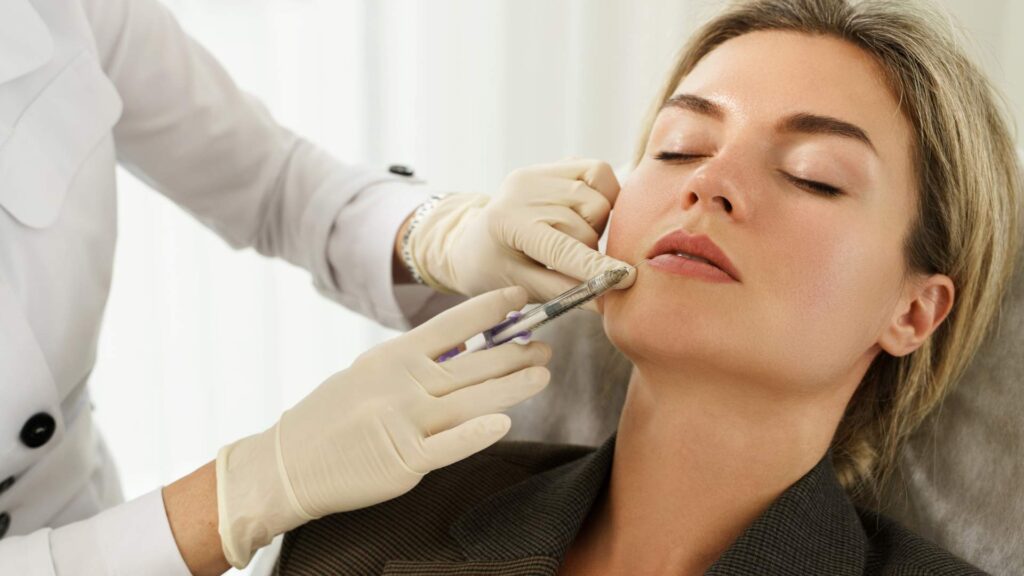

Dermal filler injections are rapidly gaining popularity in the cosmetic industry, offering a new dimension to anti-aging and aesthetic treatments. These cosmetic procedures, often used alongside BOTOX and other botulinum toxins, are key to achieving a youthful and refreshed appearance.
In 2020, according to the American Society of Plastic Surgeons, over 3.4 million dermal filler procedures were performed in the U.S., reflecting their growing demand. This rise in popularity highlights the importance of professional training and certification for aspiring injectors.
Whether you’re a nurse, nurse practitioner, or physician assistant, entering the world of dermal fillers means embarking on a journey of comprehensive learning. It’s not just about injecting the product; it’s about understanding facial anatomy, mastering various cosmetic injectables, and being attuned to each patient’s aesthetic goals. Let’s dive into how to become a dermal injector.
Here is what we cover in our guide about how to become a filler injector:
Understanding Dermal Fillers
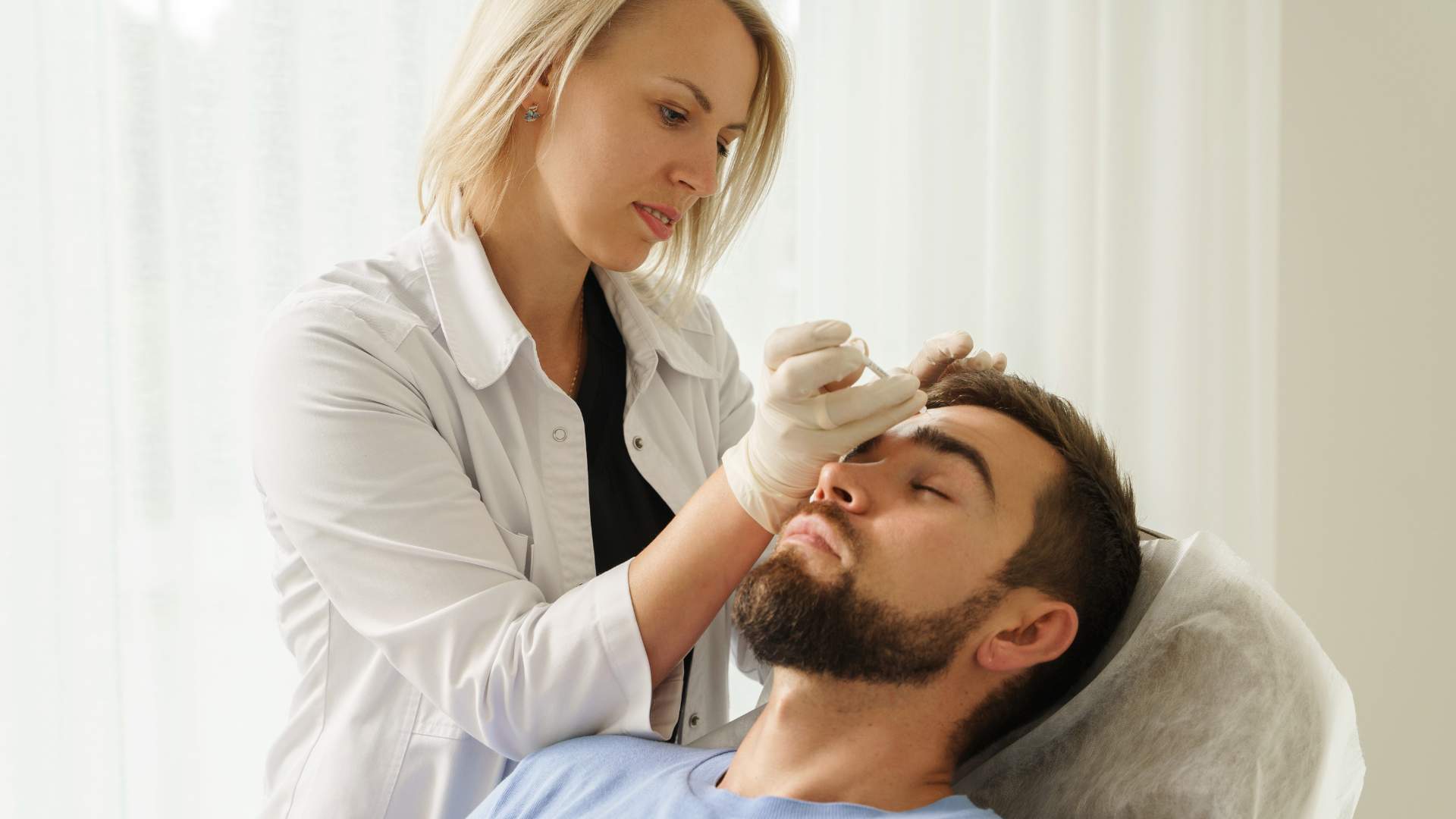
Dermal fillers are a game-changer in cosmetic treatments, offering a non-surgical solution for enhancing facial features. They’re gels injected under the skin to add volume, smooth out wrinkles, and improve facial contours. The use of fillers has skyrocketed, with millions of such aesthetic procedures done each year. From hyaluronic acid for lip augmentation to calcium hydroxylapatite for deeper lines, each type of filler serves a unique purpose, highlighting the need for injectors to really know their stuff.
Benefits and Risks
Fillers are popular for good reasons – they give quick results with minimal downtime, making them a go-to for those seeking a youthful look without surgery. But it’s not all smooth sailing. Risks like swelling or, rarely, more serious complications can occur, which is why professional training for injectors is crucial. It’s not just about injecting; it’s about understanding a patient’s skin, facial muscles, and what they’re hoping to achieve. Good training covers all this, plus how to handle any hiccups along the way. Advanced training courses and certifications, like CANS certification, are key for injectors to learn the ropes and ensure they’re providing treatments that are not only effective but also safe.
How long does it take to become a filler injector?
If you're already a medical professional, you can become a certified aesthetic injector, such as a Botox injector, in just a few weeks. With the right botox and dermal filler training, you’ll quickly learn how to perform injectables like botox injections and dermal filler treatments.
Educational Path to Becoming a Dermal Filler Injector
If you’re eyeing a career in dermal fillers, start by nailing the basics with a nursing or medical degree. This could be a degree in nursing or even a medical degree, depending on how high you aim in the field. For registered nurses, nurse practitioners, or those looking to specialize in areas like aesthetic nursing or physician assistant roles in plastic surgery, this foundational education is key.
Ready to Start Injecting?
Online coursework plus live-patient training in Reno, taught by active injectors. CEU/CME credit and flexible payment plans available.
Diving into Specialized Dermal Filler Training
Next up, specialized dermal filler training is where things get really interesting. These courses, offered by places like the National Laser Institute and Aesthetics Medical Training, dive deep into the nitty-gritty of cosmetic treatments. We’re talking about everything from facial anatomy to mastering BOTOX and, of course, dermal fillers. Here’s why injection training is important:
- In-Depth Knowledge: You’ll learn all about different cosmetic injectables and treatment techniques – think smoothing out those frown lines or perfecting lip volume.
- Practical Skills: It’s not just theory; you get hands-on practice under expert eyes, which is crucial for real-world experience.
- Focus on Safety: These aesthetic training courses hammer home the importance of patient safety and how to tailor treatments to individual needs.
- Prep for Certification: They also set you up for certification exams, often a must-have to work in the field.
In a nutshell, the journey to becoming a dermal filler injector starts with a solid medical foundation and then zooms into specialized injector training courses. It’s a mix of science, art, and a whole lot of practical skills, leading to an exciting career in the aesthetic industry.

Certification and Licensing for Cosmetic Injectors
After completing your educational and specialized training, the next big step is getting certified as a cosmetic injector. Here’s what you need to know about the certification process:
- Pick the Right Certification: Depending on your background, you might go for a CANS certification (if you’re a nurse) or other dermal filler-specific certifications.
- Meet the Prerequisites: Ensure you’ve completed the required training hours and practical experience.
- Ace the Exam: Certification exams typically cover theory and practical skills, so be ready to showcase your knowledge in facial anatomy, injection techniques, and patient safety.
- Practical Assessments: Some certification courses require you to demonstrate your skills in a supervised setting.
- Stay Updated: Certification isn’t a one-and-done deal. You’ll need ongoing education to keep up with industry changes.
Can you become an injector without a nursing degree?
No—only licensed medical professionals like an RN, NP, PA, or MD can do aesthetics and cosmetic injections. If you're in the medical field, you can take a Botox and dermal filler certification to get started.
Understanding State Licensing Requirements
Licensing varies by region, so here’s what to keep in mind:
- Regional Differences: Your medical or nursing degree might be enough in some places, while others require a specific license for cosmetic injections.
- Check Local Regulations: Always verify the requirements in your state or country, as they can differ significantly.
- Maintain Your License: Like certifications, licenses often require continuous education and adherence to professional standards.
In short, getting certified and licensed as a dermal filler injector is a journey that solidifies your expertise and commitment to safe, quality patient care in the world of aesthetic treatments.
Gaining Practical Experience in Dermal Filler Injections
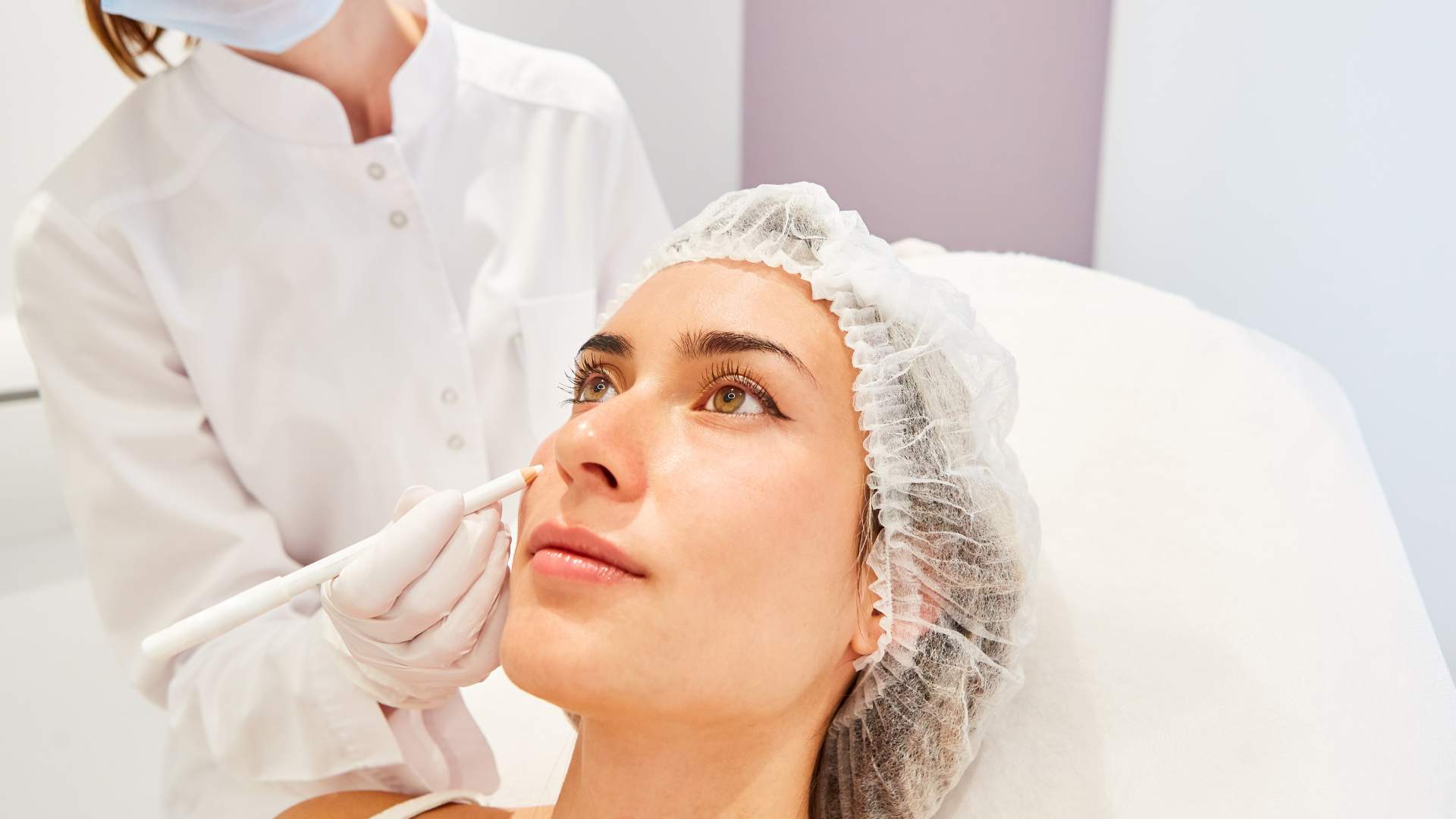
Hands-on training is the cornerstone of becoming a skilled dermal filler injector. It’s one thing to learn about facial anatomy, injection techniques, and patient safety in a classroom setting, but it’s another to apply this knowledge in real-life situations. During hands-on training, you get to work under the supervision of experienced aesthetic nurses, cosmetic surgeons, or other healthcare professionals. This is crucial for several reasons:
- Practical Skills: You’ll apply what you’ve learned about aesthetic injections directly to treatments like BOTOX, lip augmentation, and smoothing marionette lines and nasolabial folds.
- Real Patient Interaction: Working with actual patients helps you understand their aesthetic goals and tailor treatments accordingly.
- Handling Complications: You learn to manage any adverse reactions, a key skill for any aesthetic injector.
Finding Internships and Residencies in the World of Aesthetic Medicine
Internships or residencies are great ways to gain this hands-on experience:
- Network: Connect with professionals at industry events and through aesthetic societies.
- Job Boards: Look for opportunities at cosmetic clinics, medical spas, and surgical centers.
- Direct Approach: Reach out to medical practices or aesthetic clinics to inquire about training opportunities.
- Training Providers: Check with organizations like the National Laser Institute for recommendations.
These experiences not only build practical skills but also help in networking, opening doors to future career opportunities in the field of medical aesthetics. They are essential for anyone serious about becoming a skilled dermal filler injector and making a mark in this exciting and evolving industry.
What qualifications do you need to be an injector?
You need a valid medical license and must complete dermal filler training courses or advanced Botox and dermal filler programs. Our popular training helps you become an aesthetic injector with real skills and confidence.
How Aesthetics Medical Training Center Can Help You Become a Cosmetic Injector
At Aesthetics Medical Training, we offer specialized courses tailored specifically for aspiring dermal filler injectors. Our programs cover everything from the basics of facial anatomy and skin quality to advanced techniques in administering BOTOX and dermal fillers. Whether you’re just starting out or looking to refine your skills, our dermal filler and BOTOX training programs cater to all levels of experience.
Learn to become a dermal filler injector from the best with our team of experienced medical practitioners, who come from backgrounds in cosmetic nursing, plastic surgery, and dermatology. They bring invaluable practical knowledge and industry insights.
We emphasize hands-on training with live demonstrations of the medical procedures and supervised practice sessions. This approach helps you apply your learning directly to real-world scenarios, enhancing your skills in effective treatments.
Aesthetics Medical Training equips you with comprehensive education, expert guidance, and practical experience. We’re committed to helping you succeed as a skilled dermal filler injector in the dynamic medical aesthetic industry. Get in touch and sign up!